

Email support@hopes2290.com
Support(628) 267-4400
TimingsMonday - Friday 5:00 am PST to 7:00 pm PST
IRS Notice: IRS now accepting 2026 Form 2290 e-filings. File electronically and receive instant IRS Approval.
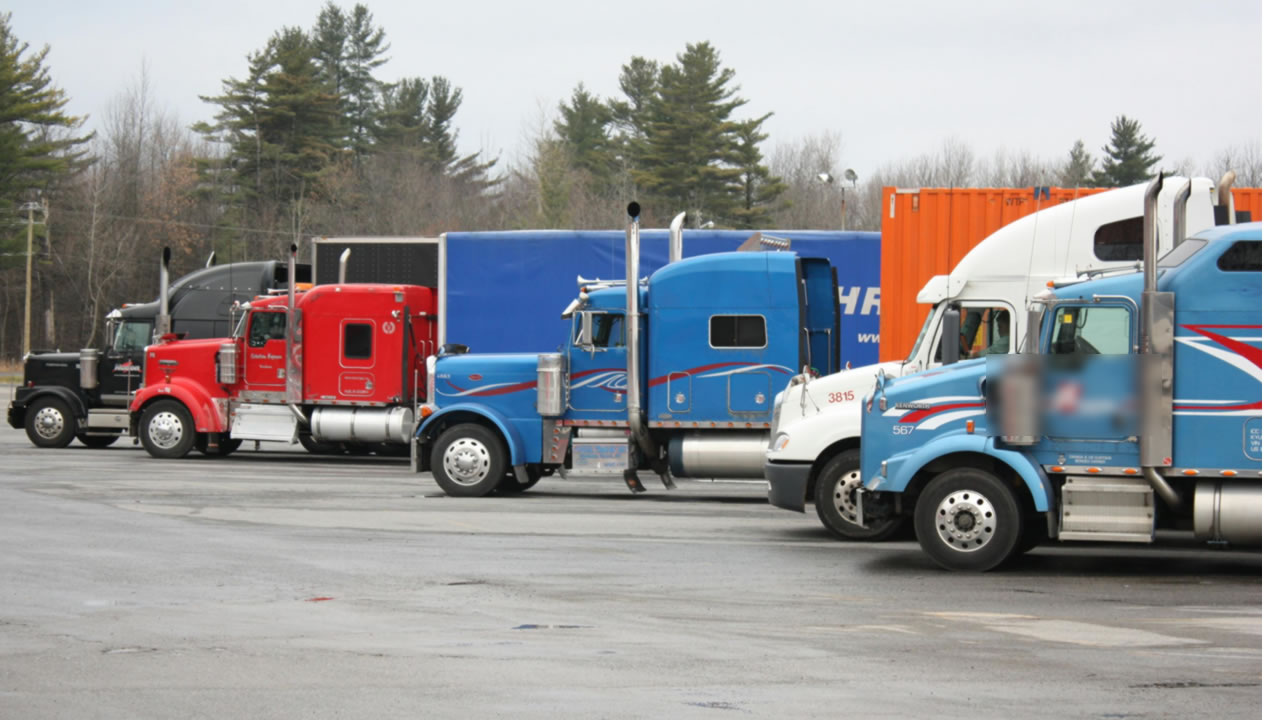
Handling the intricacies of IRS tax compliance can be a daunting task for those in the transportation sector, particularly when it comes to the Heavy Highway Vehicle Use Tax, or HVUT. If you own a truck with a gross weight of 55,000 pounds or more, filing Form 2290 is a requirement. But in situations where the truck is leased and not owned, the issue of "who files" becomes a source of confusion.
It is essential to understand the subtleties of lease contracts and vehicle registration to avoid IRS penalties and keep your fleet on the road.
The first factor that determines who is required to file Form 2290 is the name that appears on the vehicle registration documents. The IRS considers the registered owner of the vehicle to be responsible for the tax.
In most cases involving long-term leases, the burden of payment usually rests with the lessee. If your truck is registered in your name or your company’s name, you are the responsible taxpayer who is required to file the HVUT return. Even if the lessor, or the leasing company, is responsible for filing the return on your behalf, the burden of responsibility still rests with the registrant to obtain the stamped Schedule 1.
In the case of short-term leases, the IRS will normally consider the lessor (the car owner/leasing company) as the responsible party for the tax. Since the car is most likely registered in the owner's name during these short periods of time, they are responsible for filing the tax return and submitting documentation of payment.
Whether you are an owner-operator or managing a fleet, the process of filing for a leased truck requires certain information to guarantee IRS approval:
The stamped Schedule 1 is your proof of payment. In the case of a leased car, this document is essential for two reasons:
Note: If you have more than 25 vehicles, the IRS requires that you e-file your return. But it is recommended for all filers to get the Schedule 1 watermarked receipt in minutes.
If your leased vehicle is expected to travel less than 5,000 miles (or 7,500 miles for agricultural vehicles) for the tax year, you can file for a tax suspension. Although you won’t be required to pay the excise tax, you are still mandated to file Form 2290.
If the lease is ended early and the car is sold or traded in, you could be eligible for a tax credit or refund for the remaining months of the tax year.

