

Email support@hopes2290.com
Support(628) 267-4400
TimingsMonday - Friday 5:00 am PST to 7:00 pm PST
IRS e-filing is now open for Form 2290. File your HVUT return before the August 31 deadline and receive your IRS-stamped Schedule 1 online. e-File Now
×
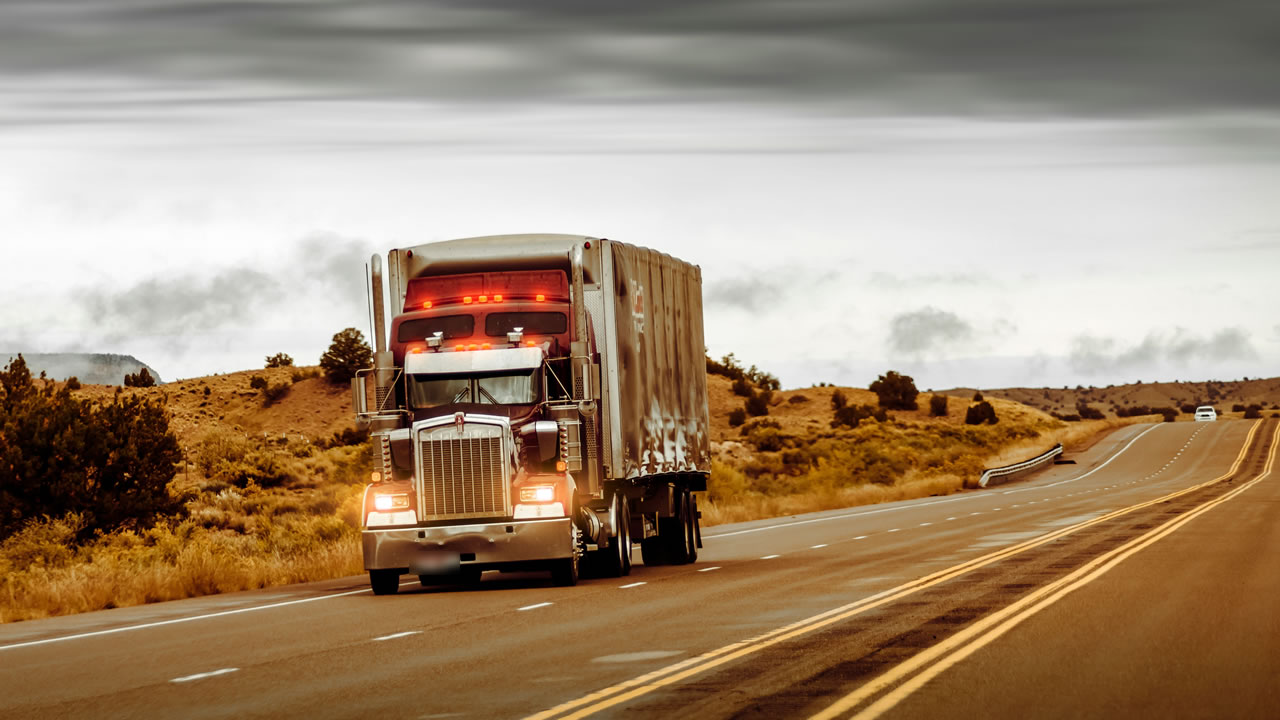
If you drive a commercial truck, it would be crucial to know who pays for the taxes associated with IRS Form 2290 and Heavy Vehicle Use Tax (HVUT). The person liable for paying the tax varies according to the ownership of the truck and its operation method.
Irrespective of whether you drive your truck in Texas, California, Florida, Georgia, Illinois, Ohio, Pennsylvania, North Carolina, Arizona, New York, or other states within the United States, knowing the federal tax obligations will assist you to avoid making any mistakes.
The IRS form 2290 is used for the payment of Heavy Vehicle Use Tax for the taxable heavy highway vehicles which have a gross weight of 55,000 pounds or above.
The tax is usually applicable due to taxable use on public highways of the vehicle. In case of leased vehicles, it becomes very significant to determine the party liable to file the return.
If you have a taxable heavy highway vehicle, and use it on public highways, then you would normally need to make your own determination as to whether Form 2290 needs to be filed.
As the owner operator, you are required to maintain records for each truck as follows:
Form 2290 return for an owned truck first used in the month of July 2026 is normally due on August 31, 2026.
This situation can become more complex in case of leased trucks since there could be different people who are owners and users of the vehicles.
The guidelines issued by the IRS could change depending upon the nature of the leasing and responsibility for the vehicle under the tax laws. It is necessary that owner-operators look into their lease agreements and determine who is responsible for filing HVUT.
It should not be assumed that a leasing company has automatically filed. It should be confirmed and proof should be obtained that the appropriate requirements of Form 2290 have been fulfilled.
Form 2290 filing can be shown using an IRS-stamped or watermarked Schedule 1, which may be needed for registering the vehicle in your state.
The primary distinction between the two is usually who will have to satisfy the filing requirements of the Form 2290.
When the truck is taxable, then it is usually the owner or company owning the truck that will file the tax return for the same.
Responsibility may depend on the terms of the lease and IRS regulations. It is important that all parties understand who is responsible for filing Form 2290 and paying the HVUT.
It is always important to check the terms of the lease and any relevant IRS guidelines.
Truck drivers are advised to refrain from:
Communication between the owner, lessor, and driver may prevent many compliance issues.
If your truck is leased or owned whether in Houston, Dallas, Los Angeles, Sacramento, Chicago, Atlanta, Miami, Phoenix, or New York City, it is mandatory to file Form 2290 which is a federal tax form. Your state registration agency could also ask you for the proof of HVUT compliance.
It is especially important for owner-operators who run on interstate highways like I-10, I-35, I-40, I-70, I-80, and I-95.
Having knowledge on how Form 2290 differs when dealing with leased trucks from owned ones can be helpful for owner-operators to ensure that they will not face any difficulty in the filing process. Prior to filing, it is important to determine the responsible party and have proper documentation for filing purposes.
Through HOPES2290, qualified truck owners and responsible parties can file IRS Form 2290 online, handle their HVUT concerns, and obtain their stamped Schedule 1 from the IRS.
Prepare your vehicle details, confirm who needs to file Form 2290, and maintain records to ensure successful form filing during the 2026-2027 tax year.
Note: For more information, visit IRS website
. &p[url]=https://www.hopes2290.com/blog/form-2290-for-leased-vs--owned-trucks&p[images][0]=https://www.hopes2290.comhttps://hopes2290.com/blog_image/Form 2290 for Leased vs. Owned Trucks.jpg)
